
The situation
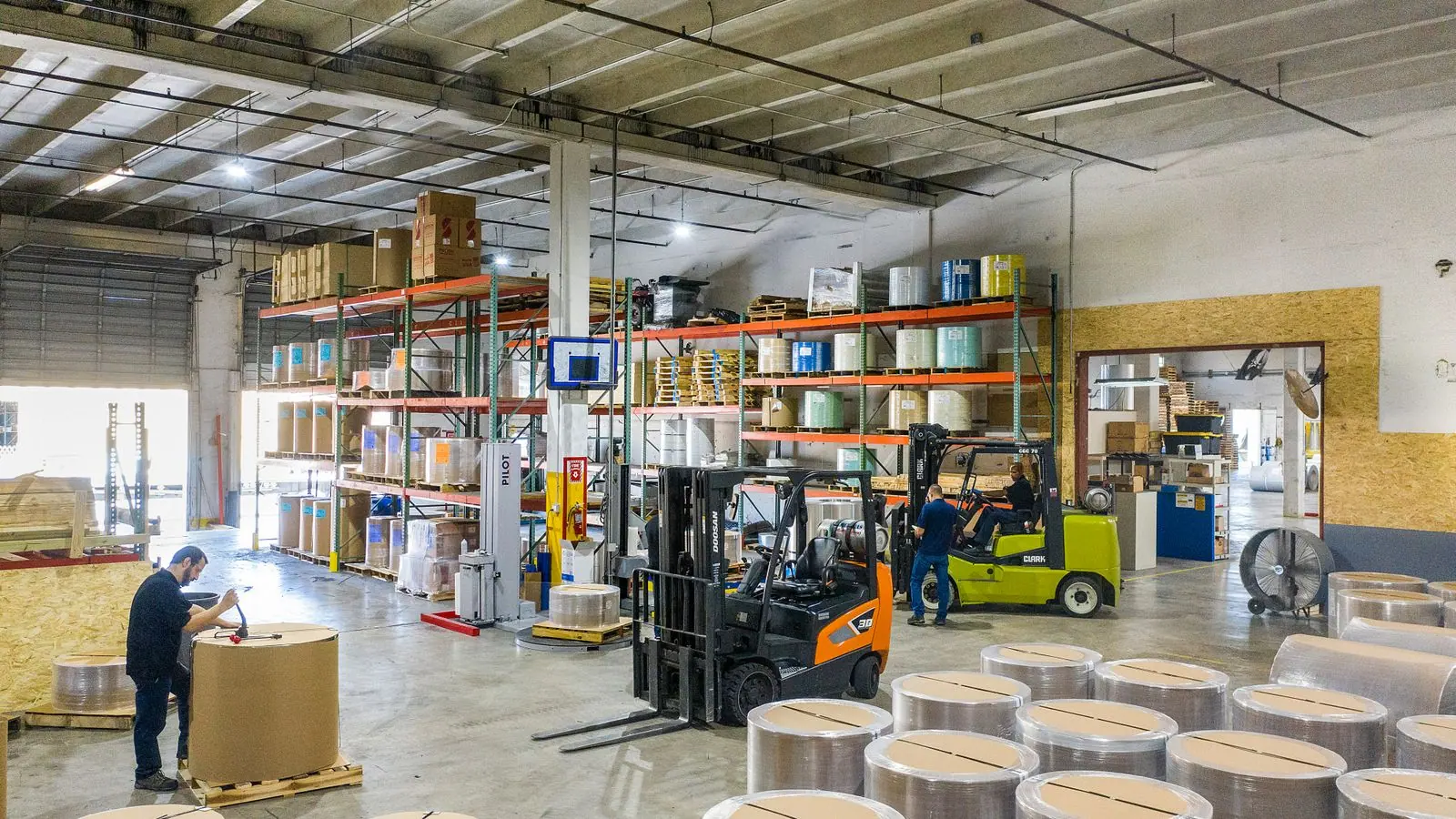
A consumer goods distributor serves corner shops and minimarkets with a sales force on the road. Each salesperson took orders in a notebook or by message, passed them to the office in the afternoon and somebody typed them in. The warehouse prepared dispatches the next morning and that is where the shortfalls appeared: products sold twice, presentations out of stock, customers receiving half of what they ordered.
The dispatch note and the invoice were issued in separate steps, and collections were tracked in one sheet per salesperson. Nobody knew, on any given day, how much stock was really available to sell.
What was done
Each salesperson carries XEN on the phone and takes the order in front of the customer, seeing available stock (physical minus what is already committed). The order reserves the units when it is created. Dispatch prepares the load from the list of reserved orders, and the electronic dispatch note and the invoice come out of the same order, with the same data, without retyping.
Collections are followed by the collection agent: reminders with the approved template, application of payments that come in with a reference, and call proposals for the salesperson when a customer falls behind.
How it was implemented
The catalog was cleaned first: one code per item, presentations as units of measure of the same item, and opening stock per warehouse with a physical count. Then one sales route was equipped for two weeks while the rest kept the old method, to compare shortfalls and dispatch times. When the trial ended, the other routes came on board.
What the operation looks like today
Sales checks availability and the warehouse prepares orders by route. Documents are issued on dispatch and their status stays with the sale. Xeni proposes purchases and collection follow-up; the sales manager reviews exceptions.
In Reports, management sees sales per route, turnover per item and overdue receivables per salesperson with the invoices underneath. The shortfall stopped being a morning surprise and became a figure seen before selling.